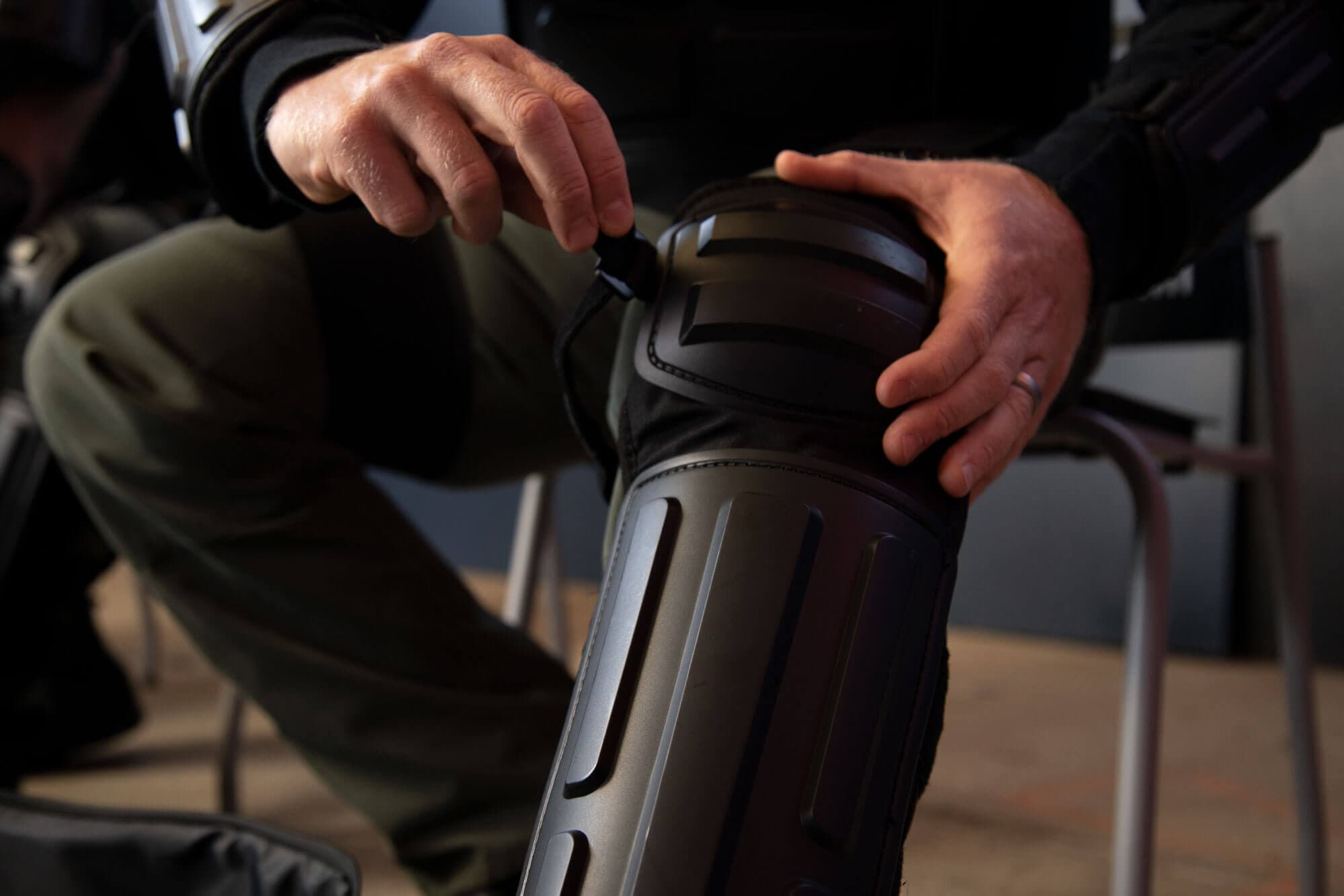
Correctional work is unlike any other law enforcement assignment. Officers operate in an enclosed environment with restricted access to backup, facing a population with a higher baseline of volatility and improvised weapon use than patrol officers typically encounter. The protective equipment needed for corrections reflects that reality, and in many facilities it has not kept pace with the threat environment.
The Unique Challenges of Correctional Work
Corrections officers deal with confrontations at close range, in tight spaces, and with limited ability to disengage. Unlike street-based patrol, they cannot retreat to a vehicle or call for immediate reinforcement. When an incident escalates, it escalates fast, and the equipment on an officer's body at that moment is all they have.
Corrections1 has consistently reported that facility-wide disturbances are among the most dangerous situations correctional staff face, with injury rates significantly higher than during routine inmate contact. Worn consistently, the right gear changes the outcome of those events.
Essential Protective Equipment
Every correctional officer should have reliable access to: a properly fitted riot helmet with face shield, upper and lower body protection, cut-resistant gloves, and shin and knee coverage. This is the baseline that officers need available when a disturbance escalates beyond verbal control.
The key word is "available." Gear stored in a central locker three hallways from where an incident starts is not available in any meaningful sense. Departments serious about officer safety plan for how quickly equipment can be reached, not just whether it exists in the building.
Riot Gear Is Not Just for Major Incidents
One of the most common misconceptions in corrections administration is that riot gear is reserved for full-facility emergencies. In practice, the situations where protective equipment matters most are smaller, faster-developing confrontations like cell extractions, housing unit disputes, and movement incidents, where there is no time to stage a full response.
Officers with rapid-deployment equipment like limb kits, lightweight helmets, and gloves they keep close are better positioned for the situations they actually face. Building that culture starts with equipping for realistic scenarios, not just worst-case ones.
Evaluating What You Have
When was your facility's protective equipment last replaced? Foam padding degrades, face shields develop microfractures, and stitching on suit components gives out over years of use. An equipment audit that checks actual condition, not just inventory numbers, often reveals that facilities are significantly underequipped on an effective basis even when records show adequate quantities.
Fit Testing and Training
Gear that does not fit correctly will not be worn correctly, and in a high-stress situation, officers default to whatever is most instinctive. Fit testing ensures that every officer on a response team can don their equipment quickly and correctly, without having to think through the process under pressure. Pair equipment procurement with structured donning drills and you dramatically improve the effectiveness of whatever gear you purchase.
Haven Gear is available to support facilities through direct consultation on equipment configuration, sizing logistics, and deployment planning for teams of any size.