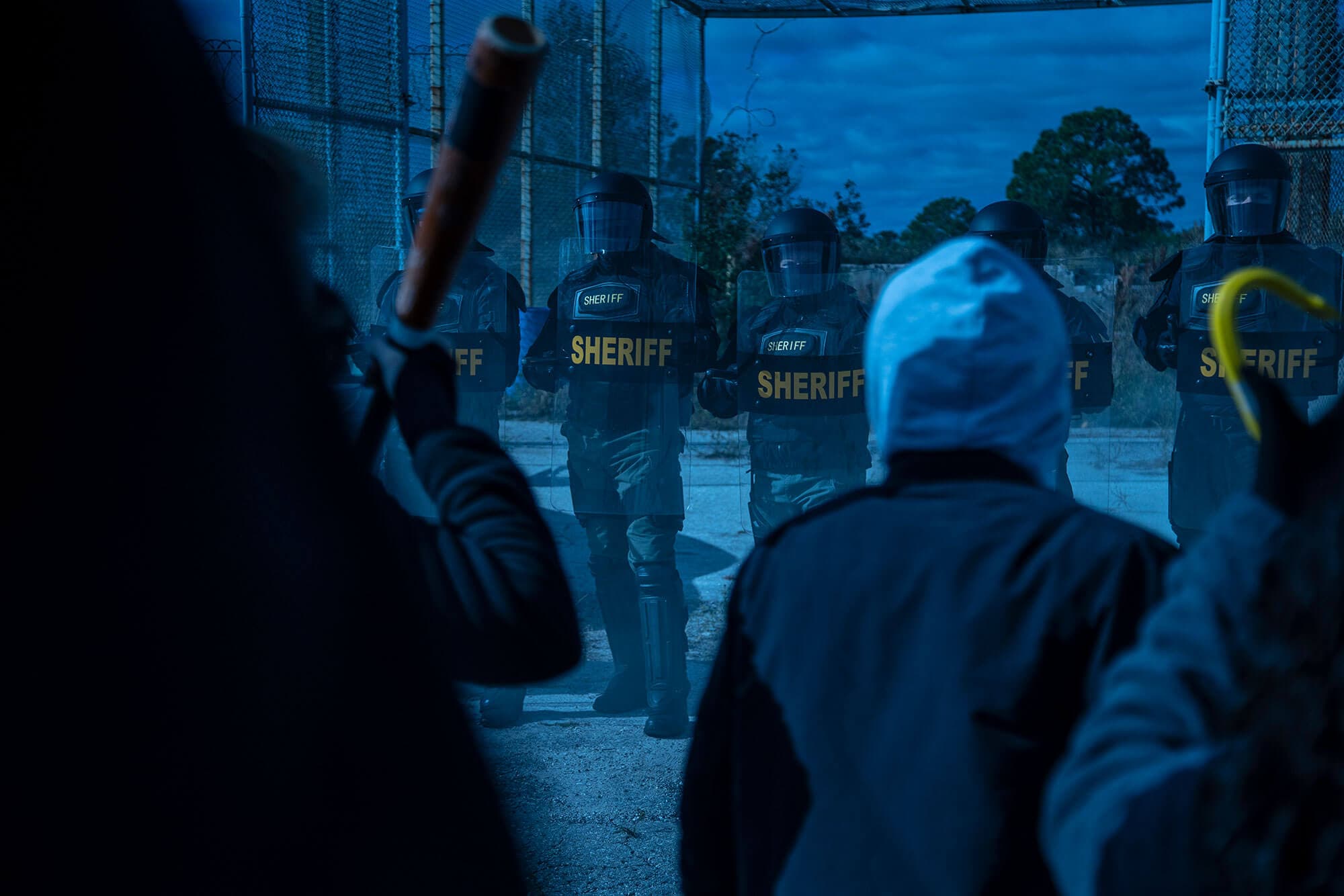
Riot shields have been a core element of crowd control operations for over a century, but the materials and design have changed significantly. For departments evaluating shields in 2026, the choice is not really between polycarbonate and metal. Field experience has made polycarbonate the clear standard, and understanding why helps departments make more informed decisions about size, configuration, and deployment doctrine.
A Brief History of Riot Shields
Early riot shields were made from wood, then aluminum, then steel. Metal shields offered undeniable impact protection but came with significant drawbacks: weight, limited visibility, and the intimidating appearance of an opaque wall of metal that tended to escalate tensions rather than de-escalate them. Officers using steel shields also had limited situational awareness, which created tactical vulnerabilities in dynamic crowd situations.
The Police Chief Magazine documented the shift toward transparent shields in the 1980s and 1990s as departments recognized that officer situational awareness was as important as the protection the shield offered.
The Case for Metal
Steel and aluminum shields are still used in some specialized contexts, particularly in correctional settings where the risk of edged weapon attack is higher than in outdoor crowd control. A polycarbonate shield will stop blunt impact and thrown objects; it will not stop a stabbing thrust the way a steel shield might. For facilities with documented weapon threats, metal remains relevant.
Weight is the primary operational liability. A full-size steel shield weighs significantly more than its polycarbonate equivalent and contributes meaningfully to officer fatigue over an extended deployment. In situations where officers need to hold a line for hours, that weight compounds into real performance degradation.
Why Polycarbonate Is the Modern Standard
4mm polycarbonate provides excellent protection against blunt impact, thrown objects, and most improvised projectiles while giving officers a clear view of the crowd in front of them. That visibility is not incidental; it is tactically significant. Officers can identify specific threats, track movement, and coordinate with teammates in ways that opaque shields prevent.
Modern polycarbonate formulations are also impact-resistant in ways that earlier versions were not. The material will absorb significant force before deforming and does not shatter into dangerous fragments the way glass would. Haven Gear shields use 4mm riot-grade polycarbonate rated for the force profiles encountered in crowd control operations.
Size: 36" vs 48"
The 24" x 36" shield is the standard riot configuration for most operations, light enough for extended carry and large enough to provide meaningful coverage for a standing officer in a line formation. The 24" x 48" shield extends that coverage downward, protecting the legs and lower body more completely. It is heavier and less maneuverable but valuable in situations where officers expect sustained projectile contact from below waist level.
Most departments that operate both sizes assign them by role: front-line officers carry the larger shield while officers in secondary positions carry the standard size for faster mobility.
The Capture Shield
The capture shield is a specialized tool distinct from standard riot shields. Its extended grip frame and curved profile allow officers to pin a subject against a surface during a controlled takedown, reducing the risk of injury to both officer and subject. It is not a replacement for a standard riot shield but a useful addition to a complete equipment inventory for departments that handle frequent physical extractions.