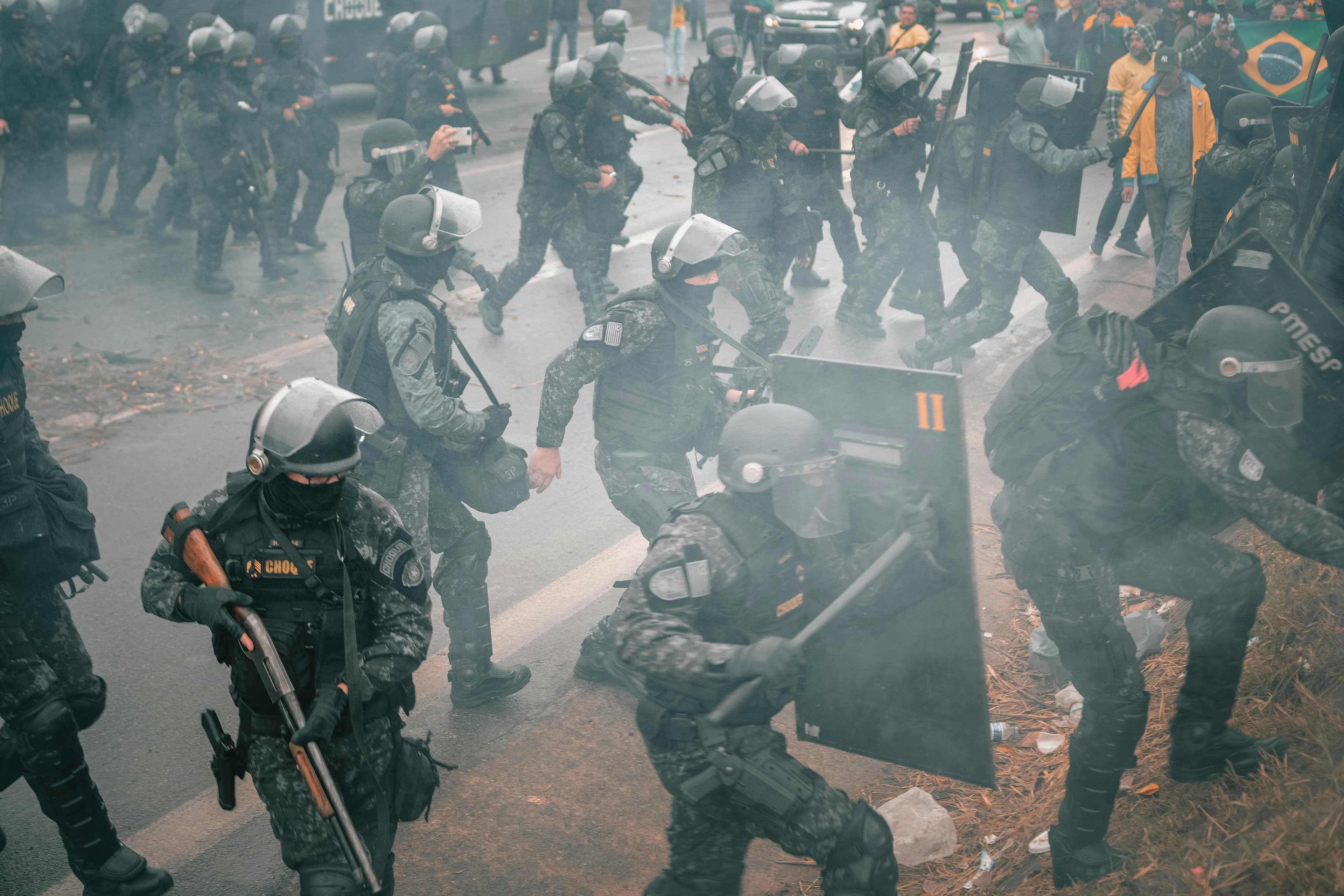
For most of the 20th century, riot gear changed slowly. The core components, helmets, shields, and padded suits, were recognizable across decades, with incremental improvements in material quality and ergonomics but no fundamental rethinking of how the gear was built or what it was expected to do. That has changed in the past decade. Material science, manufacturing capabilities, and a more sophisticated understanding of what officers actually need in the field have combined to produce a genuinely different generation of protective equipment.
Material Science Has Moved Fast
The materials available to riot gear designers today are significantly better than what was available even ten years ago. High-performance thermoplastic composites provide impact resistance at a fraction of the weight of earlier materials. Advanced textile weaves integrate protective properties into fabric structures that were previously only achievable with rigid shells. Foam formulations have become dramatically more sophisticated in how they manage and disperse impact energy.
PoliceOne has covered the adoption of these materials across tactical equipment broadly, noting that the weight reduction in modern protective gear has had measurable positive effects on officer performance and endurance in field evaluations. Gear that protects without exhausting the person wearing it is categorically better gear.
Modular Systems Have Replaced One-Size-Fits-All
The older approach to riot gear procurement was to select a single kit and issue it uniformly across a department. Modern systems recognize that officers in different roles have different needs. A shield carrier, a baton officer, a team leader, and a mounted officer all require different configurations of protection and mobility. Modular systems allow departments to configure kits by role rather than issuing compromises to everyone.
This modularity also extends to maintenance and replacement. When a single component fails or needs replacement, a modular system allows that component to be swapped without replacing the entire kit. Over the lifecycle of a department's equipment, this produces significant cost savings compared to treating gear as monolithic.
Ergonomics as a Design Priority
Earlier generations of riot gear were designed around protection requirements, with ergonomics treated as a secondary concern. Modern design has inverted that priority. Protection requirements are still met, but they are met within ergonomic constraints rather than at the expense of them. The result is gear that fits better, moves better, and is actually worn rather than discarded when things get uncomfortable.
Haven Gear built its product line around this philosophy from the start. The Defender, Enforcer, and Patrol suits are each designed to allow full operational mobility without sacrificing the protection rating appropriate to their intended deployment context.
What This Means for Procurement Decisions
Departments that are still operating with gear purchased ten or more years ago are not just working with older equipment. They are working with equipment built to an older standard. The protection is likely degraded by wear. The weight and mobility characteristics are worse than what is currently available. And the modularity that would allow efficient maintenance and replacement is probably not there.
Understanding what modern gear can do makes procurement decisions clearer. The right starting point is an honest evaluation of what current gear actually provides versus what is available, which is why field evaluation programs exist.