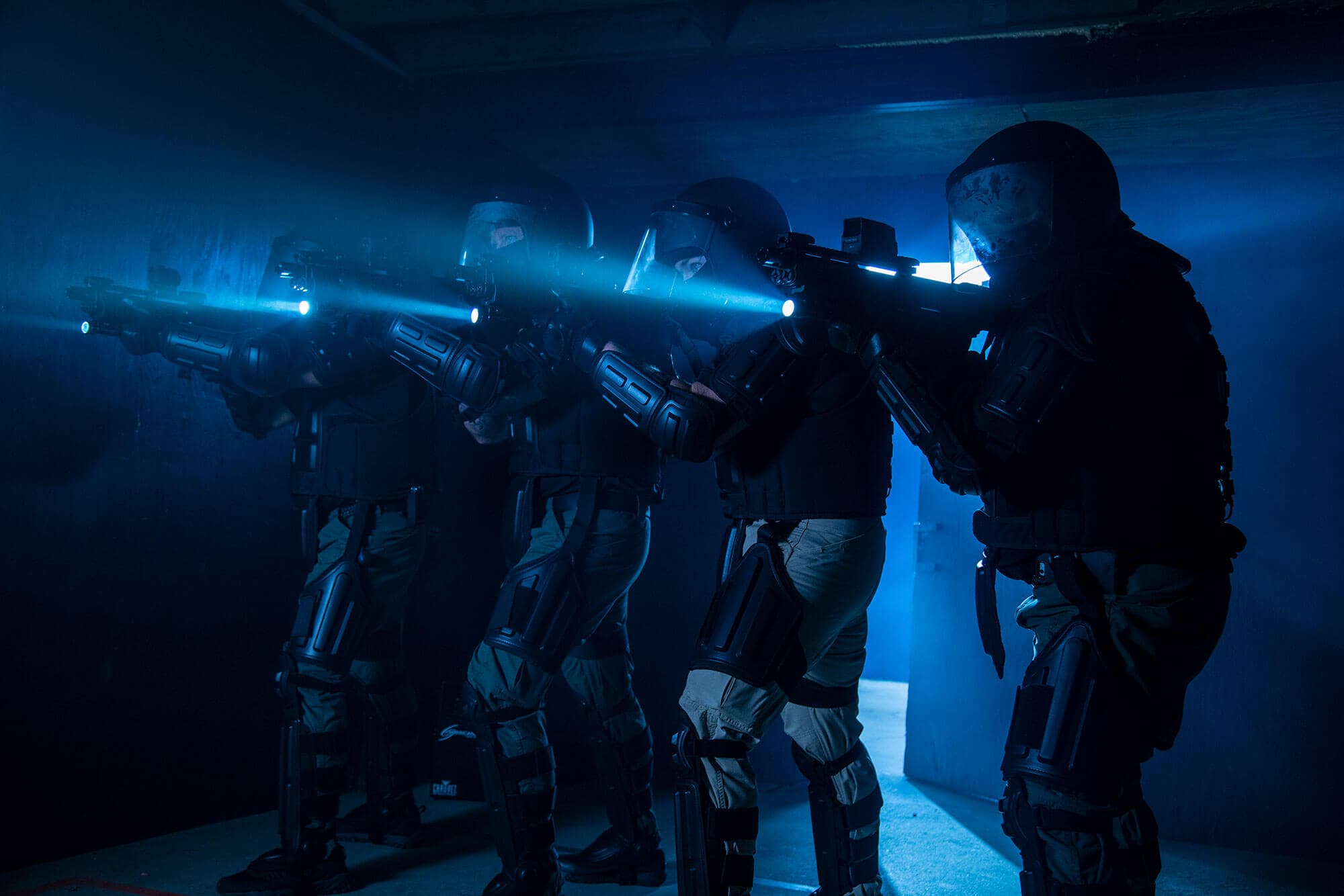
The last generation of patrol protective equipment made officers choose between looking approachable and being protected. That was an acceptable tradeoff when crowd control situations developed slowly and officers had time to stage and gear up. Today's operational environment has compressed those timelines. Textile-enhanced patrol suits address this by eliminating the tradeoff entirely.
A Changed Operational Environment
The nature of civil unrest has changed. Situations that might have developed over hours now develop over minutes. Officers are expected to be simultaneously community-facing during de-escalation attempts and capable of rapid transition to protective operations if those attempts fail. The gear they carry has to support both modes without requiring them to leave the scene and come back in full kit.
This operational reality has driven significant innovation in how protective equipment is constructed. The result is a category of gear that would have seemed contradictory twenty years ago: attire that presents professionally while integrating the protection needed for crowd control work.
What "Textile-Enhanced" Actually Means
Textile-enhanced construction refers to protective materials integrated into a fabric-based outer shell, rather than the hard or semi-rigid shells of traditional riot gear. The outer layer looks and moves like fabric attire. The interior layer, woven into the structure rather than simply inserted, provides impact absorption, cut resistance, and protection from thrown objects.
The protection provided is meaningful, not cosmetic. Purpose-built textile-enhanced suits are engineered to perform under the force profiles of crowd control situations, not just to pass a visual inspection. The distinction matters when officers actually need what they are wearing to do its job.
From Patrol Car to Active Scene
The operational advantage of textile-enhanced suits shows up most clearly in transition speed. An officer in a textile patrol suit is already protected when they step out of their vehicle. There is no gear-up period, no staging delay, and no gap in coverage while equipment is being donned under pressure. In fast-developing situations, that transition speed is the difference between protected response and reactive catch-up.
Officers also report significantly better mobility compared to hard-shell riot gear, which means they can engage in foot pursuits, manage physical confrontations, and operate in tight spaces without the restrictions that traditional gear imposes.
Extended Wear Performance
A patrol officer may wear their suit for an eight- to twelve-hour shift. The cumulative effect of wearing heavy, restrictive gear for that duration is well documented: fatigue, reduced situational awareness, and a performance degradation that accelerates as the shift progresses. Textile construction dramatically reduces this effect by distributing weight more evenly and allowing natural movement patterns.
Haven Gear's Patrol suit is specifically designed for extended wear, with material choices that manage temperature and moisture over long deployments. Officers should be able to finish a long shift in the same physical and cognitive condition they started it, and that requires gear that works with them rather than against them.